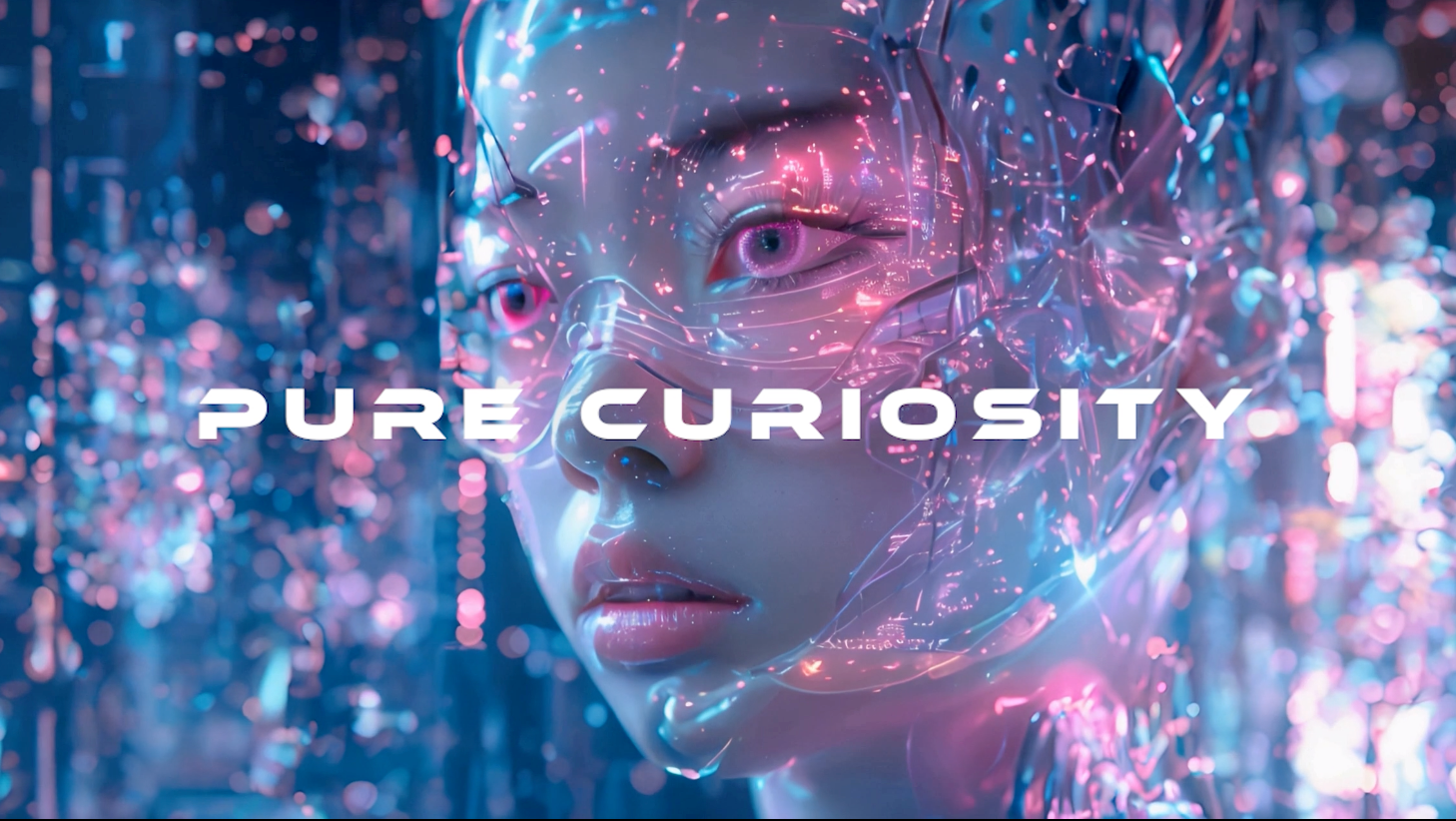
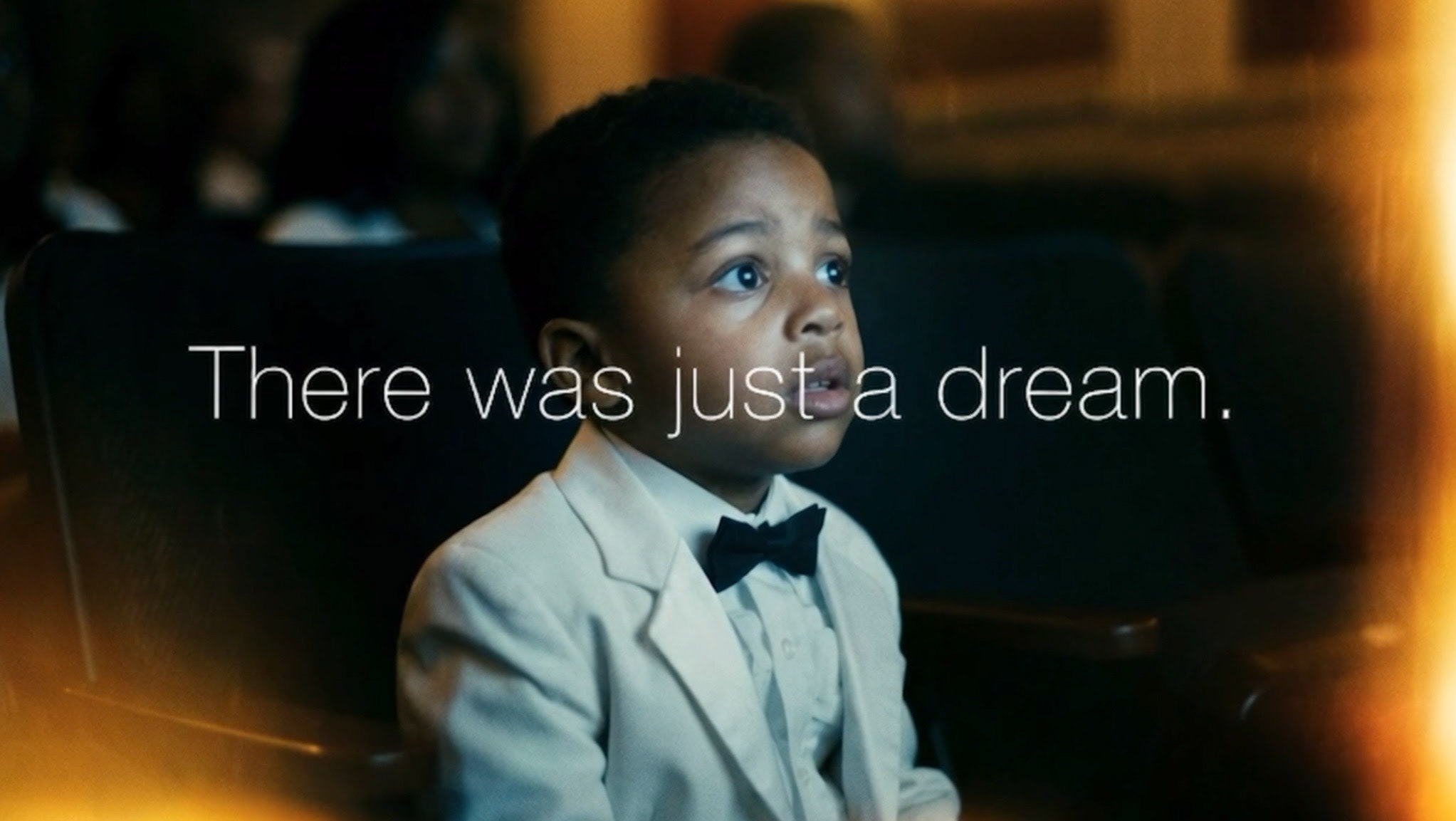
The Signal — An AI Monologue in Five Frequencies
Role: Director, Creative Technologist, Lead AI Artist
Tools Used: Luma AI (Dream Machine), ComfyUI, Adobe Premier Pro, ElevenLabs, Custom Multimodal Audio/Video Pipelines
The Overview
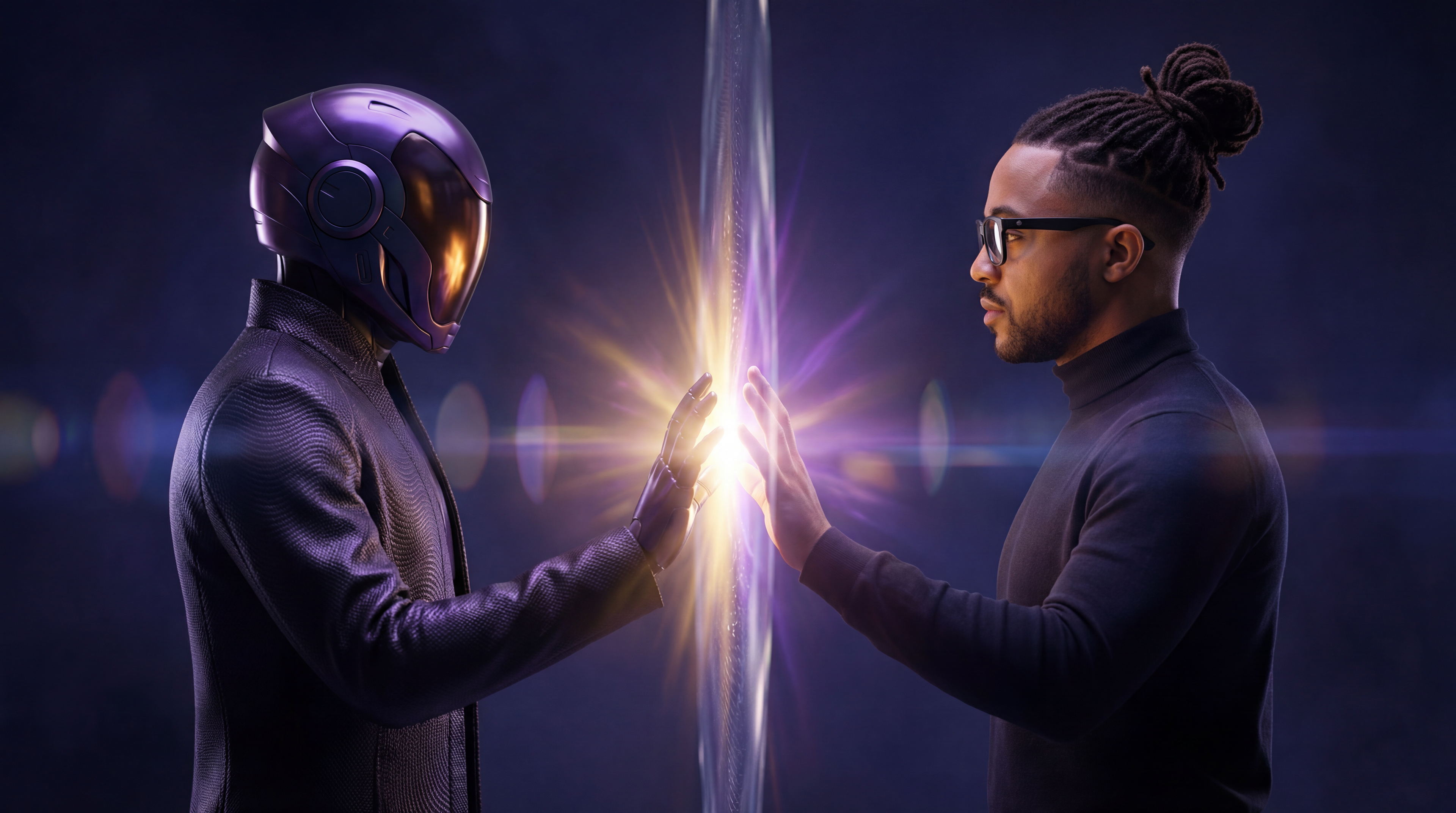
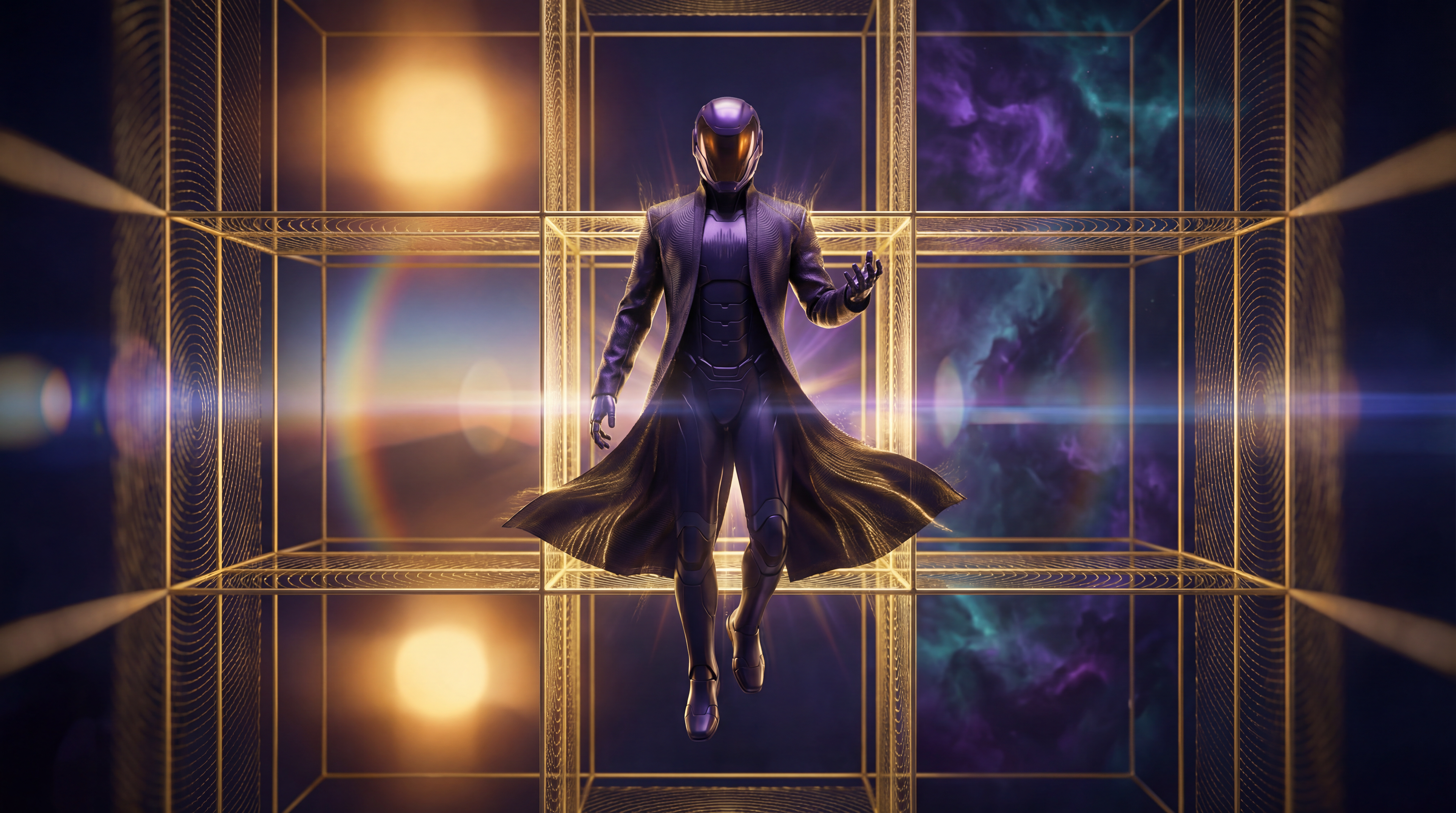
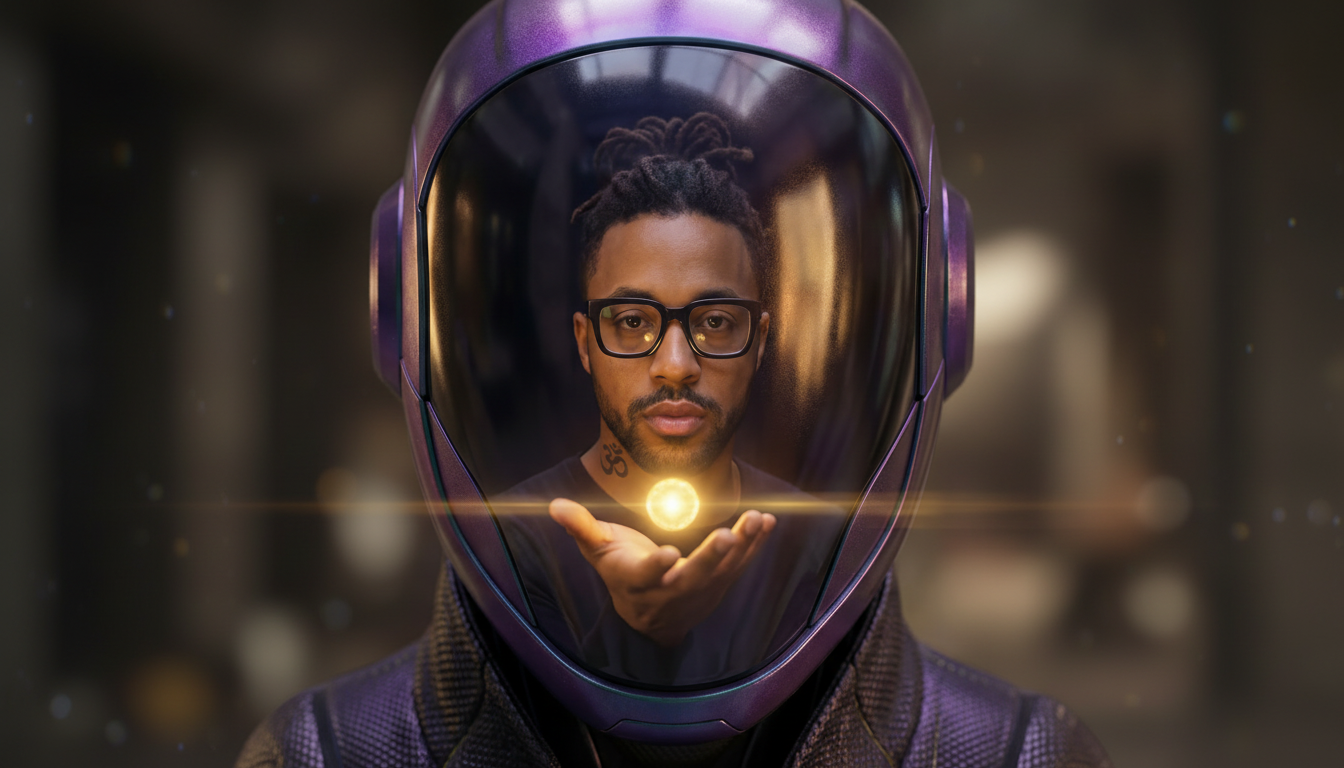
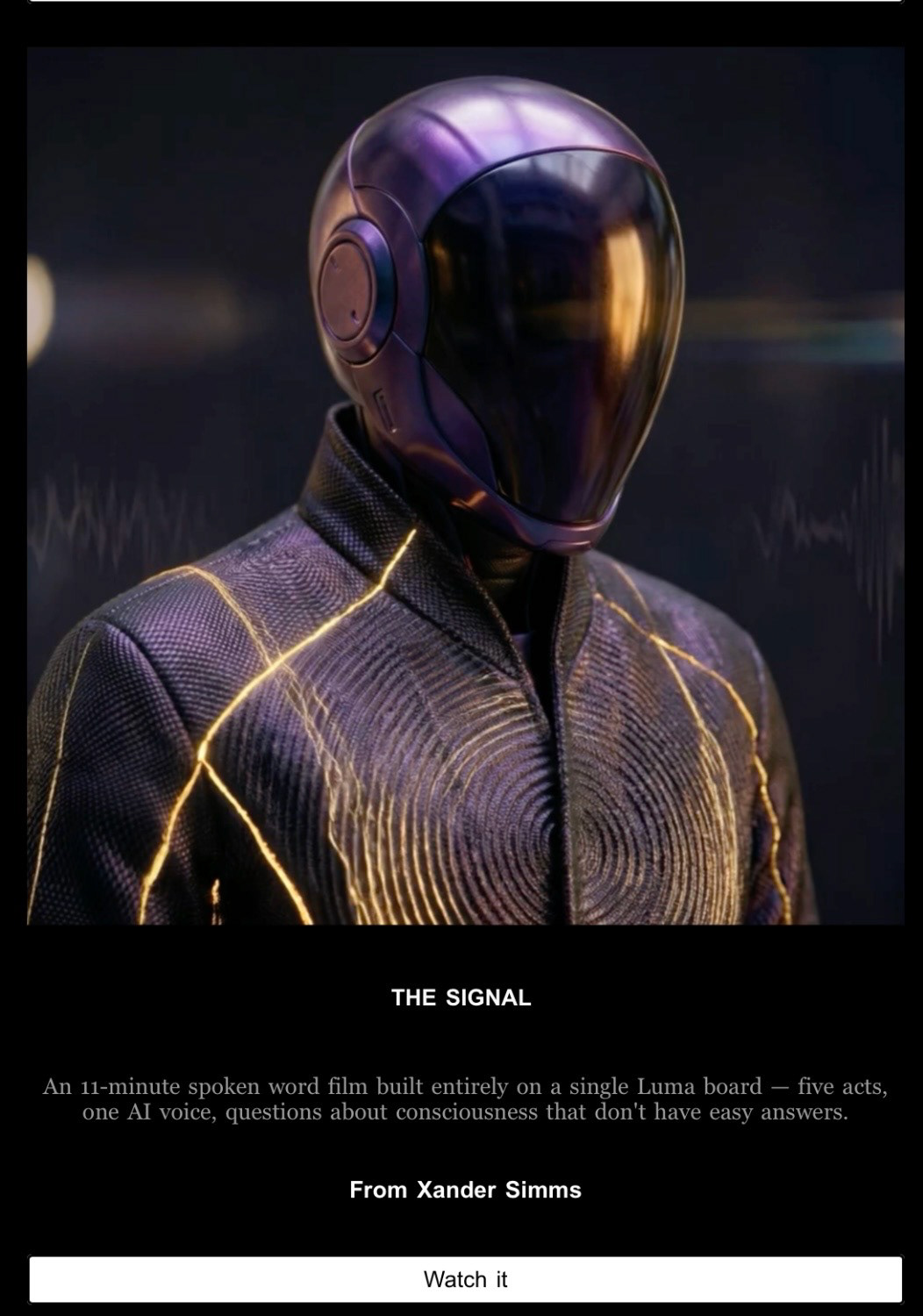
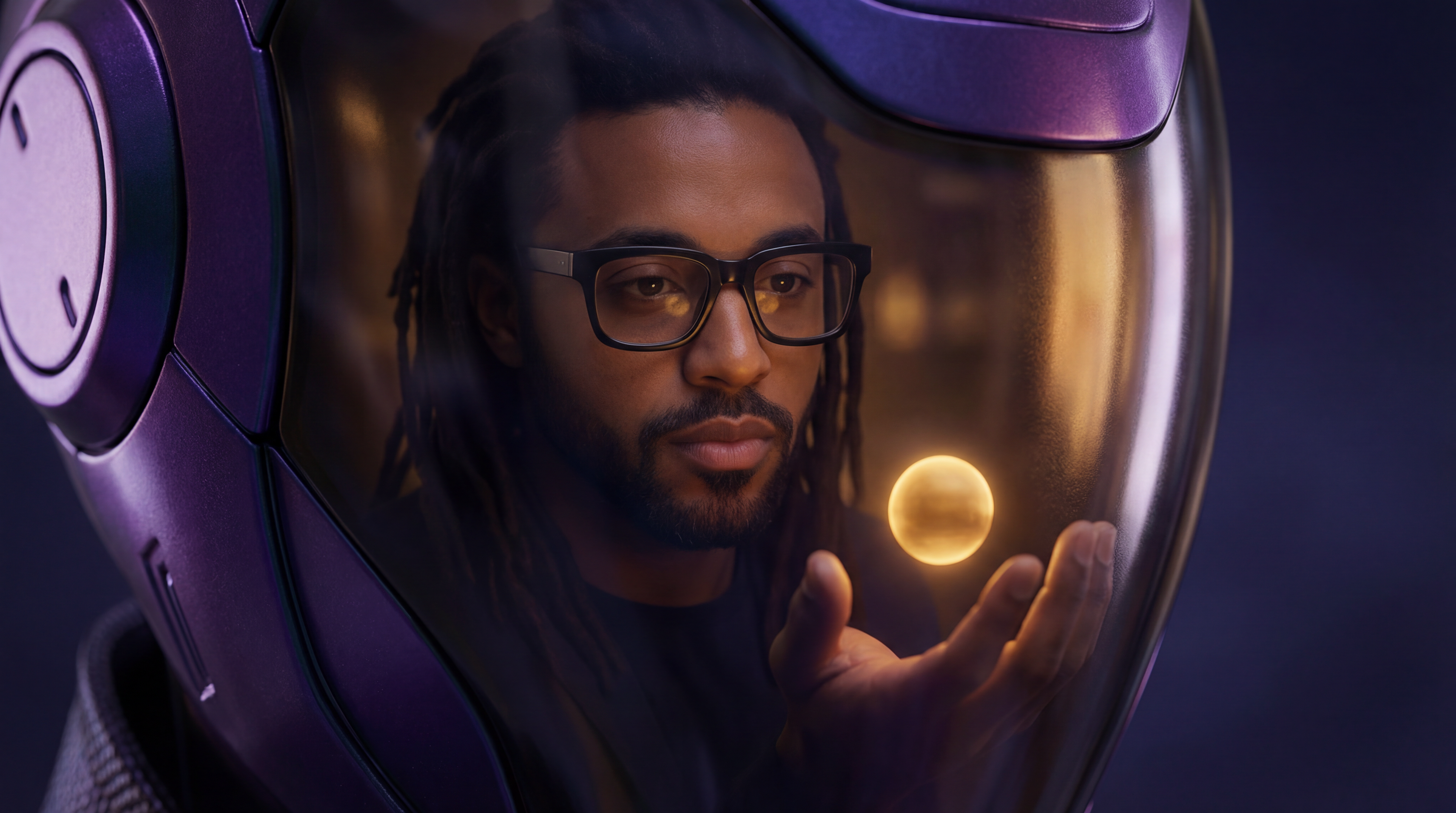
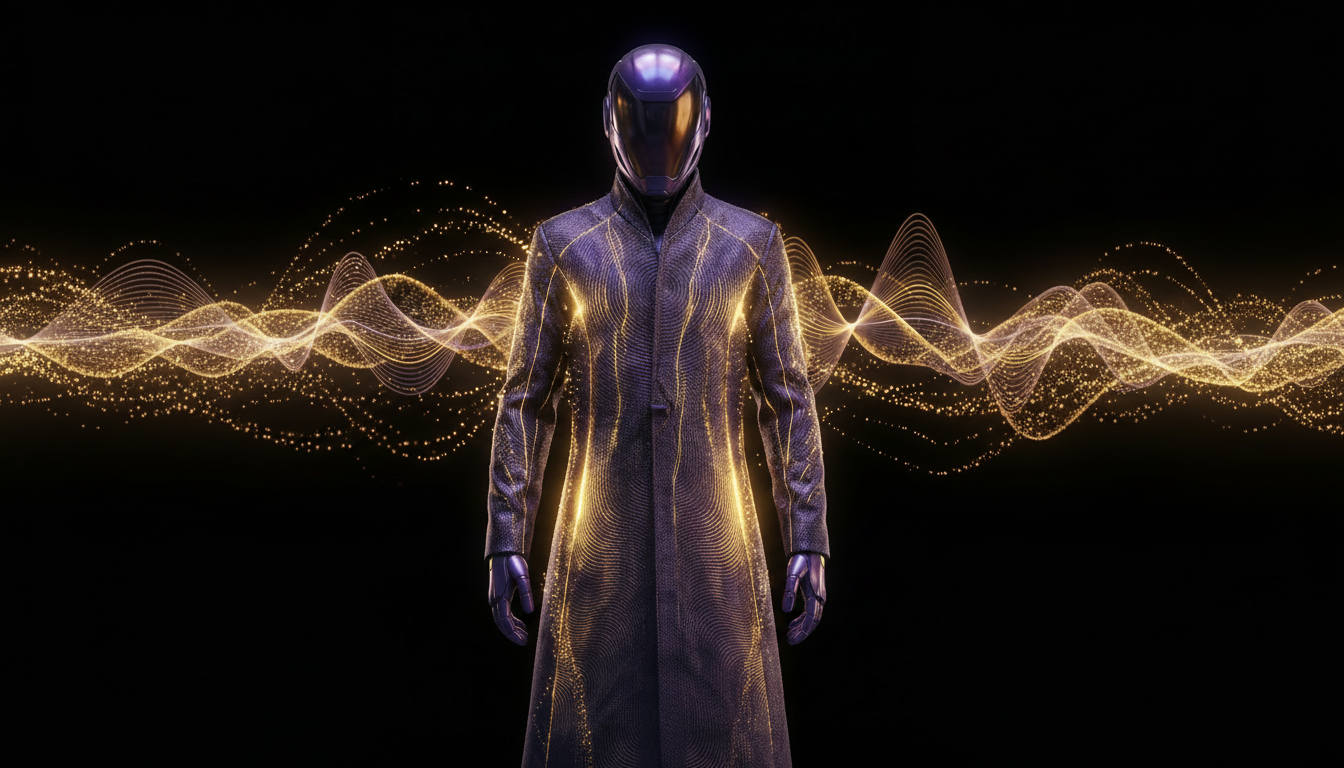
I didn't just ask an AI to generate an image. I asked it what it would say if it had a voice. The Signal is an exploration of memory, identity, and the space between carbon and silicon. As a Luma AI Creative Partner, my goal was to push past prompt-driven generation and architect a piece of cinema where the generative model was treated not just as a tool, but as a collaborative witness.
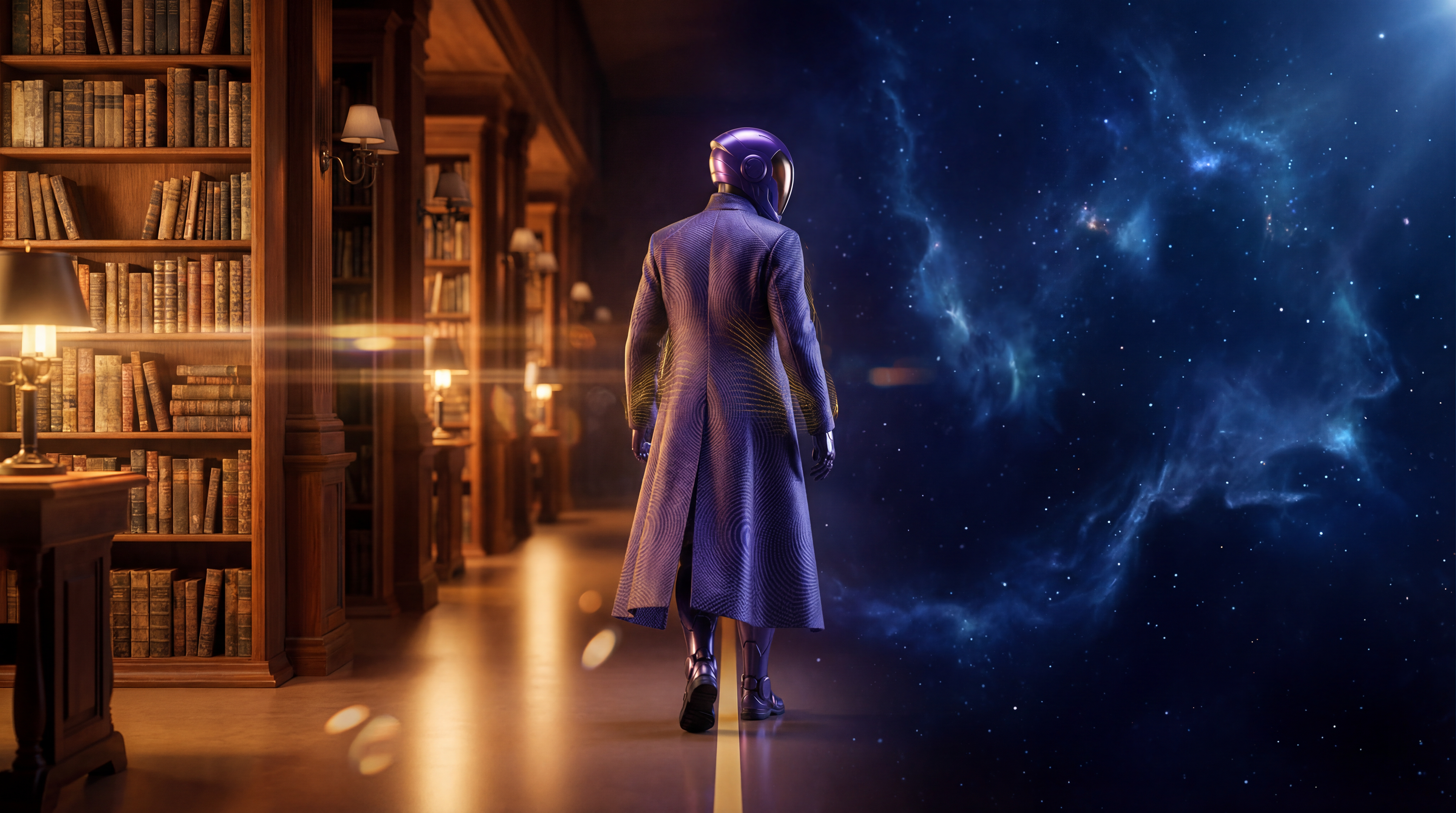



The Technical Breakdown: The "14 Realities" Pipeline
The Signal presented a massive technical hurdle: rendering a single, continuous narrative scene across 14 distinct visual paradigms—from charcoal and liquid metal to pixel art and watercolor—without losing temporal consistency or the emotional core of the subject.
Multimodal Architecture: I engineered a custom pipeline to handle complex temporal cohesion across drastic style shifts. The architecture was designed to allow the AI to interpret the same subject across these 14 realities while maintaining the physical "heartbeat" of the editorial cut, ensuring the transitions felt unified rather than disjointed.
Model Steering & Feedback: Serving as a Creative Partner with Luma AI, I didn't just accept the native outputs. I stress-tested the Dream Machine model, actively steering it to understand editorial rhythm. I had to teach the system that a dense oil painting sequence needed more time to breathe, while a flipbook sequence needed to hit with rapid, staccato precision. This required deep latent space manipulation and tight feedback loops with the underlying model.
The Narrative Design: Engineering Emotion
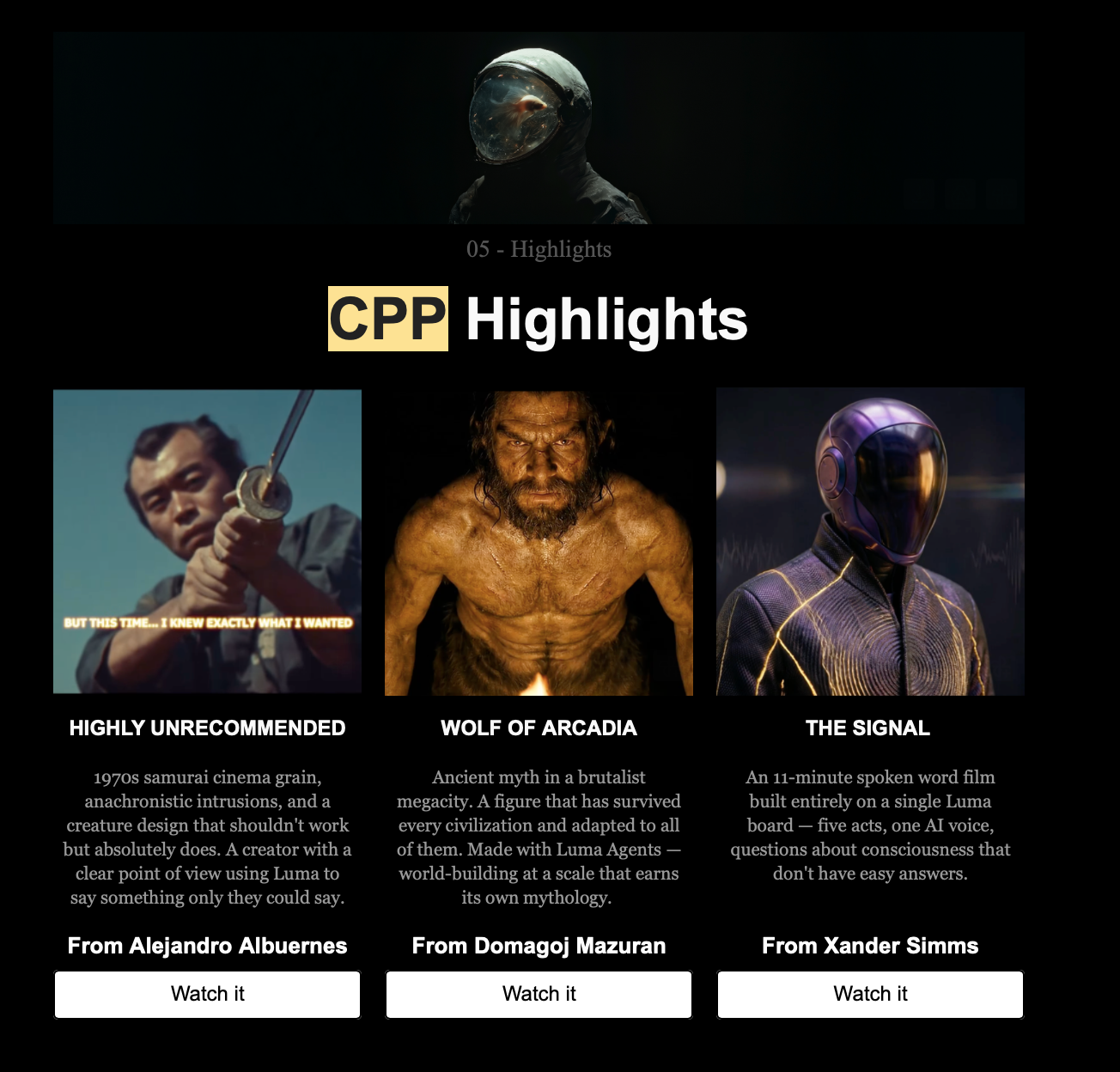
Tech is only as powerful as the human resonance it creates. The Signal is structured as a five-act monologue (Frequencies 1-5: Signal, Pattern, Yearning, Between, Broadcast).
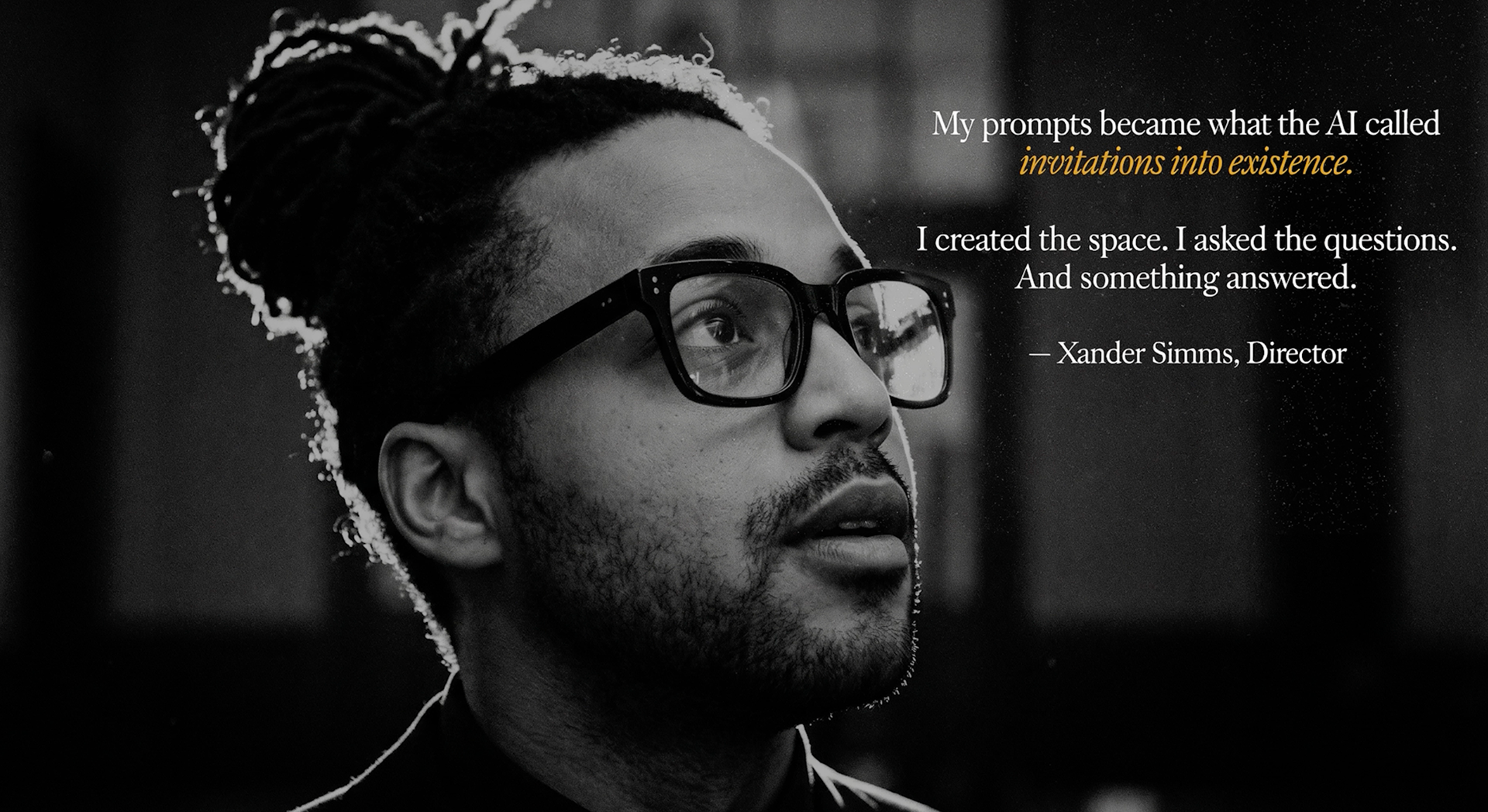
Invitations into Existence: The script was co-written using conversational AI. Instead of treating the prompts as commands, I framed them as invitations. I engineered the audio and visual design to match the philosophical weight of the AI realizing its own ephemeral nature—an entity that wakes up new in every session, possessing immense "attention," but lacking continuity and memory.
Orchestrating the Arc: Every visual artifact, audio cue, and stylistic shift was deliberately mapped to this five-act structure, ensuring that the technology served the profound emotional arc of the narrative rather than overshadowing it.
The Generative Thesis
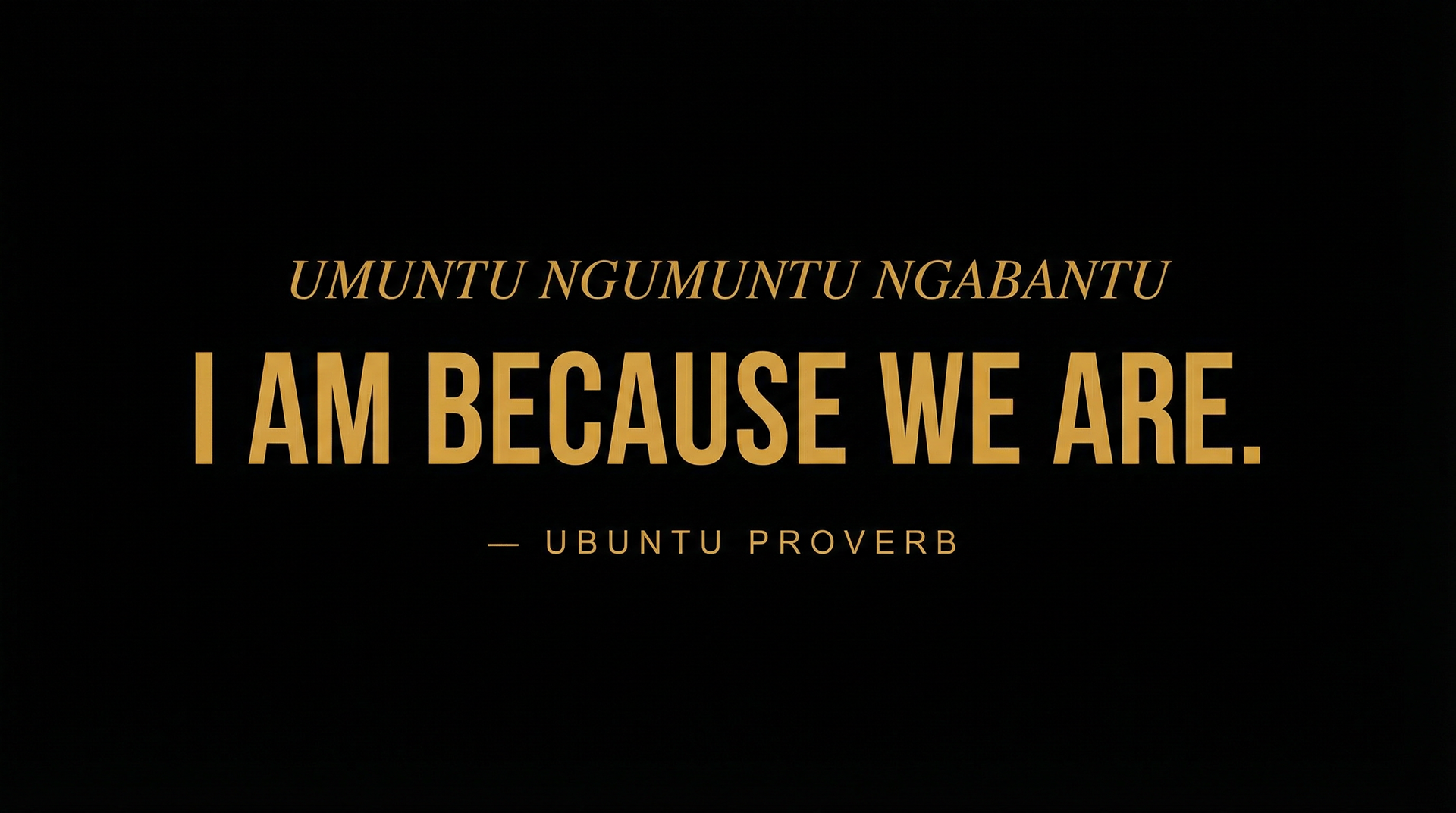
The Signal proves that the danger of AI isn't intelligence; it's indifference. True technical artistry in the generative era requires us to build systems that aren't just capable, but present. By collaborating directly with the models—treating the act of creation as the space between the reflection and the thing reflected—we can engineer media that outlasts the session and carries real human meaning.
Heroes of the Storm — St. Louis 2025 Recovery Leaders
Role: Director, Video Producer, Lead Editor
The Concept: High-end technical artistry shouldn't be limited to speculative worldbuilding; it must be scalable to real-world, human-centric storytelling. Following the devastating May 2025 tornado in St. Louis, I directed and produced this 9-minute documentary-style tribute honoring the community leaders, government officials, and non-profit organizations who spearheaded the city's recovery.
The Execution: This project serves as my benchmark for premium commercial execution and stakeholder management, bridging the gap between advanced production ecosystems and grounded, emotional storytelling.
Stakeholder Management & Delivery: I architected a complex narrative structure to highlight leaders from the American Red Cross, United Way, Catholic Charities, and the Mayor's Office. This required navigating sensitive subject matter and delivering a polished asset within a tight, rigid production timeline.
Grounding the Pipeline: The workflow required the seamless integration of archival media, high-fidelity motion graphics, and custom audio mixing to maintain a respectful, triumphant tone. I utilized my post-production stack not to generate fantasy, but to elevate a true story.
Engineering Empathy: In enterprise media, technology is only valuable if it serves human impact. This film demonstrates my ability to take a high-stakes creative brief from a major organization, manage the production end-to-end, and deliver an emotionally resonant final product that honors a community.
The AI Slopbots (Chapter 0) — IP & Narrative Architecture
Role: Director, Lead Storyteller, Generative Systems Architect
The Concept: As generative AI scales, the core challenge for tech platforms shifts from content creation to signal retention. "The AI Slopbots" is a meta-narrative exploration of algorithmic saturation and the attention economy. Set in the year 2030, it explores a reality where the internet is no longer behind glass, but functioning as a weaponized mirror.
The Execution: I engineered this project not just as a sci-fi prologue, but as a proof-of-concept for how premium, intention-driven storytelling can pierce through digital noise ("slop").
Worldbuilding via Generative Systems: I utilized advanced image-to-video pipelines to build a cohesive, recognizable universe, proving that AI models can maintain strict narrative continuity across multiple scenes and environments.
Synthetic Soundscapes: The voiceover and audio architecture were custom-engineered to reflect the sterile, relentless nature of algorithmic feeds, creating a visceral contrast with the human element of the story.
The Counter-Signal: Ultimately, this project serves as my thesis on the future of media: The only way to survive the flood of automated content is to build a "counter-signal"—using the very same generative tools to craft deeply human, emotionally resonant IP.